
A raised garden bed gives you better drainage, fewer weeds, and soil you actually control — no fighting the compacted, rocky dirt already in your yard. Learning how to build a raised garden bed is one of the most beginner-friendly outdoor builds there is, and a single weekend is enough to have it framed, filled, and ready to plant.
What You'll Need
Materials (for a 4x8 ft bed, one common size)
- 4 — cedar 2x8x8 boards (sides — cedar resists rot without chemical treatment)
- 4 — 4x4x12" cedar posts (corner supports)
- 1 box — 3" exterior wood screws
- Landscape fabric (optional, for weed control on the bottom)
- Soil and compost mix to fill the bed
Tools
- Circular saw or handsaw
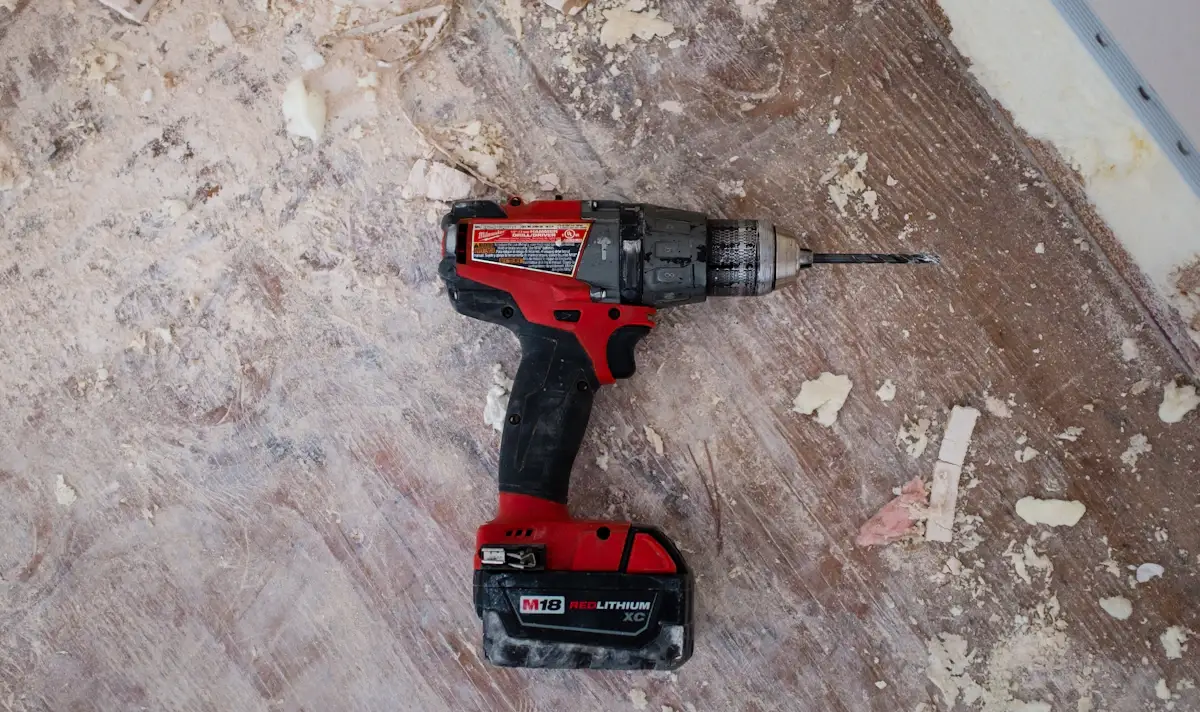
- Cordless drill/driver
- Tape measure and speed square
- Level
- Shovel (for leveling the ground)
Step 1: Choose and Prep the Location
Pick a spot that gets at least 6-8 hours of direct sunlight — most vegetables need that much to produce well. Clear the area of grass and weeds, and use a shovel or rake to roughly level the ground. The bed doesn't need to sit on perfectly flat soil, but minimizing the slope makes filling it evenly much easier.
Step 2: Cut Your Lumber to Size
For a 4x8 bed, you'll use your eight-foot boards at full length for the long sides. Cut two of your 2x8s down to 45" each (accounting for the thickness of the corner posts) for the short ends. Cut all four 4x4 posts to your desired bed height plus a few extra inches if you want them to extend below ground for added stability.
Step 3: Attach the Corner Posts
Stand a 4x4 post at each corner and attach the long side boards to them first, driving 3" screws through the board into the post — two screws per connection, staggered slightly to avoid splitting the post. Repeat with the short end boards to complete the rectangle.
Step 4: Square Up the Frame
Before fully tightening every screw, measure diagonally from corner to corner in both directions — if the two measurements match, the frame is square. Adjust as needed, then finish driving all screws home. A speed square at each corner helps confirm as you go.
Step 5: Add a Second Tier (Optional)
If you want a taller bed (recommended for easier access without bending, or for extra soil depth), stack a second row of side boards on top of the first, screwing them into the same corner posts. A single tier gives roughly 7.5" of soil depth; two tiers gives about 15".
Step 6: Level and Place the Frame
Move the assembled frame to its final position and use a level to check it sits evenly. Shim under low corners with soil or gravel as needed — a level bed drains and waters more evenly across its whole surface.
Step 7: Line the Bottom (Optional)
If weeds or grass are a concern, lay landscape fabric across the bottom before filling — this blocks weeds from growing up into the bed while still allowing water to drain through.
Step 8: Fill With Soil
Fill the bed with a mix of quality garden soil and compost — a common ratio is about 60% topsoil to 40% compost, which gives new plants the nutrients they need without being too dense. Fill to about an inch below the top edge to leave room for mulch and watering.
Sizing Tips for Different Yards
- Small yards or patios: A 4x4 bed is easier to fit and still gives meaningful growing space.
- Standard vegetable garden: 4x8 is the most popular size — wide enough to be productive, narrow enough to reach the center from either side without stepping in.
- Keep the width to 4 feet or less regardless of length — this is the practical limit for reaching the middle of the bed from either side without compacting the soil by stepping in it.
Related Reading
Cedar is the standard choice for outdoor builds like this one — see Best Wood Types for DIY Projects for why, and where to source it affordably. If you're just building out your tool collection for outdoor projects, start with The Only 15 Tools Every DIYer Actually Needs. For the full project roadmap, see The Complete Guide to DIY Home Improvement.
Want more outdoor build plans beyond garden beds — pergolas, planters, and backyard structures? Ted's Woodworking includes dimensioned plans for dozens of outdoor projects alongside this one.
Your Garden, Built on Your Terms
A raised bed solves most of the problems that make in-ground gardening frustrating — bad native soil, poor drainage, and constant weeding. Built once, well, it'll give you seasons of productive growing with only routine soil refreshing needed each year.